
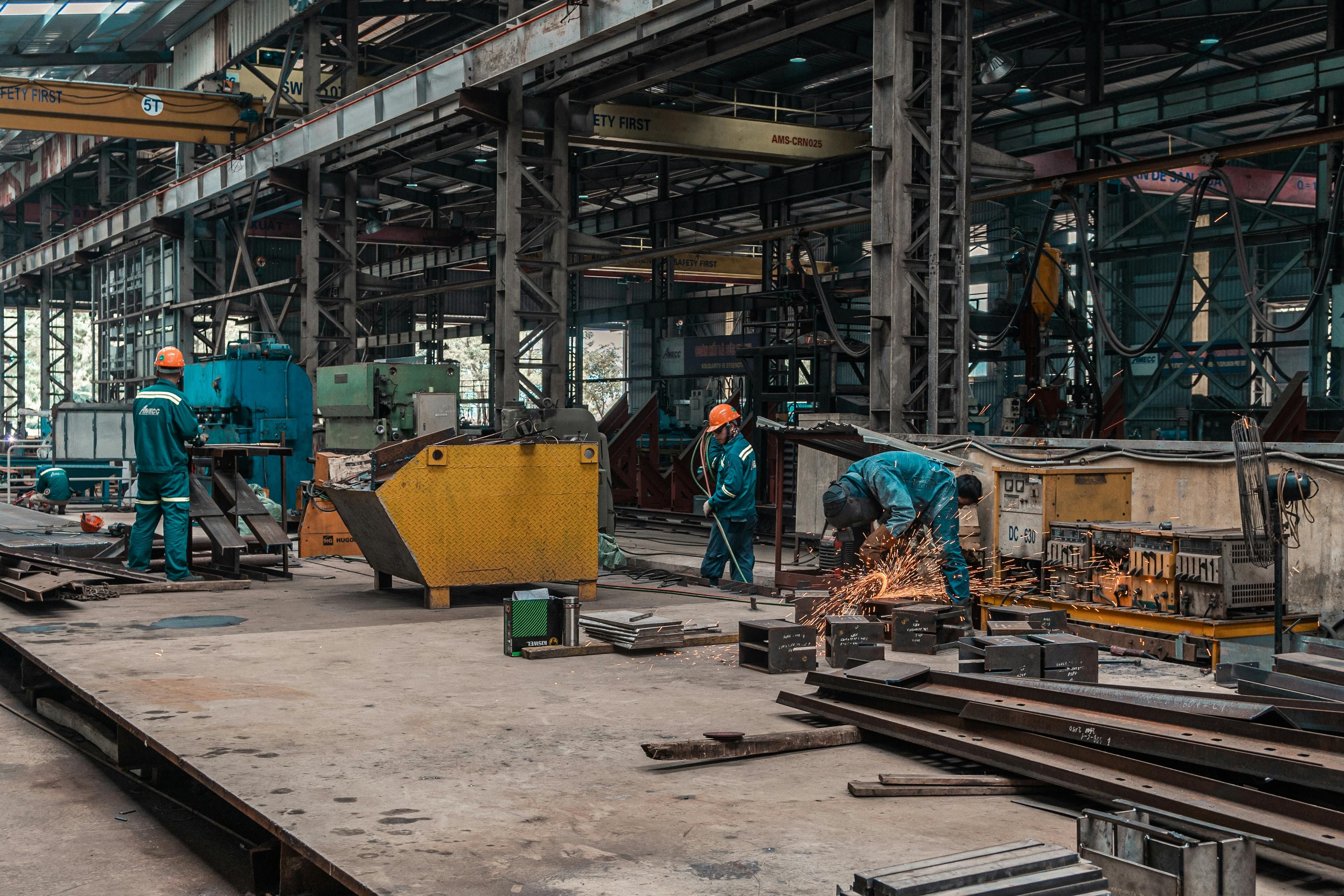
Why Generic HR Software Fails on the Factory Floor
The operational profile of a Nigerian manufacturing company is fundamentally different from that of a professional services firm or a bank. The differences determine whether an HR platform actually works or becomes another system the HR team works around.
Shift complexity is the first gap. A factory running morning, afternoon, and night shifts across multiple production lines needs a scheduling system that assigns workers to specific shifts and tracks changes. Most HR tools treat all employees as working the same hours. That assumption breaks immediately in a manufacturing environment.
Casual and contract labour is the second gap. Nigerian manufacturing operations regularly mix permanent staff, casual daily workers, and contract employees within the same production environment. Each category has its own pay structure and documentation requirements. A platform that cannot handle multiple employment types within the same payroll run forces HR teams into parallel spreadsheets that compound errors over time.
What Nigerian Manufacturing Companies Should Look For
Before evaluating any platform, verify these requirements specifically. They are non-negotiable for a manufacturing environment.
Multi-shift scheduling with location binding: The platform must support the creation of named shifts with defined start and end times, assigned to specific employees or departments, and tied to a physical location. Supervisors should be able to view and manage shift rosters without routing every change through HR.
Biometric attendance integration: Clock-in at a factory gate or production area must be verifiable. The platform should integrate with either biometric scanning hardware or mobile biometrics recognition devices so that attendance records are created automatically and tied to the correct employee profile. This closes the proxy attendance gap that paper registers cannot address.
Automatic overtime calculation tied to payroll: When an employee works beyond their assigned shift, the system should calculate the overtime hours, apply the correct rate, and include the figure in the payroll run without manual input. This is the single most common source of payroll errors in Nigerian factories and the one most directly solved by the right software.
For manufacturing specifically, NSITF deserves particular attention: Manufacturing workforces carry higher workplace injury risk than most industries, which means NSITF compliance is both a legal obligation and a genuine worker protection. The platform should generate remittance schedules and maintain audit-ready records for every statutory obligation.
Support for multiple employment types: Permanent staff, casual workers, and contract employees should all be manageable within the same system, with the correct statutory treatment applied to each category automatically.
SoftSUITE time and attendance module for shift-based workforces
How HR Software Manages Shift Workers in Nigerian Factories
The shift management problem in Nigerian manufacturing has two dimensions: scheduling and accountability.
On scheduling, the right platform allows HR or operations managers to create shift templates covering morning, afternoon, and night rotations, assign workers to specific shifts by department or role, and update rosters when changes occur. Workers access their assigned shifts through a self-service portal or mobile app, removing the notice-board and WhatsApp communication that creates disputes when workers claim they were not informed of changes.
On accountability, the platform connects shift assignments to attendance records. When a worker clocks in, the system checks the clock-in time against their assigned shift start. Late arrivals, early departures, missed clock-ins, and extended hours are all flagged automatically. The HR team sees exceptions, not raw data they have to interpret manually.
This combination eliminates the two biggest daily HR headaches in Nigerian factory environments: not knowing who is actually on the floor, and not having reliable records when attendance disputes arise.
How Overtime Payroll Works With HR Software
Manual overtime management in a Nigerian factory typically looks like this. Supervisors keep handwritten records of extended hours. At the end of the month, someone collates those records, calculates overtime pay, and sends the figures to payroll. Errors enter at every step. Workers who worked overtime get paid incorrectly. Workers who did not get credited with hours they did not work. Disputes follow.
HR software connected to attendance data solves this by removing the manual steps entirely.
When an employee clocks out beyond their assigned shift end time, the system records the additional hours automatically. The overtime calculation applies the correct rate based on the employment contract and the nature of the overtime, whether it is extended regular hours, weekend work, or public holiday work. That figure flows directly into the payroll run as a line item, visible to HR before processing and traceable after the fact in the employee's payroll record.
For a 300-person factory running three shifts, this means overtime payroll that previously required hours of manual collation runs as part of the standard monthly payroll process with no additional HR time.
SoftSUITE payroll with integrated time and attendance
Biometric Attendance and HR Software Integration
Biometric attendance solves the problem that every other clock-in method cannot: it confirms that the person clocking in is actually the person assigned to that shift.
The downstream benefit is payroll accuracy. When every attendance record is biometrically verified and automatically imported into the HR system, the payroll team processes verified hours rather than collated estimates. The compliance benefit is an audit trail that documents every clock-in and clock-out by employee, date, time, and location, which is the record manufacturing companies need when attendance disputes reach a formal stage.
How SoftSUITE Is Built for Nigerian Manufacturing HR
SoftSUITE's time and attendance management is designed for exactly the operational profile described in this guide. Multi-shift scheduling, biometric integration, location-based clock-in, and direct payroll connection are all part of the same platform managing your Nigerian statutory compliance.
Biometric clock-in records flow directly into attendance reports. Casual and permanent workers are managed within the same system with the correct statutory treatment applied to each.
For a Nigerian manufacturing HR team managing hundreds of workers with limited staff, that means payroll that runs cleanly and compliance documentation that is ready when an auditor asks for it.
See how SoftSUITE handles shift management and biometric attendance for a Nigerian manufacturing company your size.

